Concrete Grinding: Enhancing Durability and Aesthetic Appeal
Concrete grinding is a crucial process in the construction and renovation industry, widely used to improve the functionality, safety, and appearance of concrete surfaces. Whether in residential, commercial, or industrial settings, this technique offers a practical solution for restoring worn-out floors, leveling uneven surfaces, and preparing concrete for further treatment.
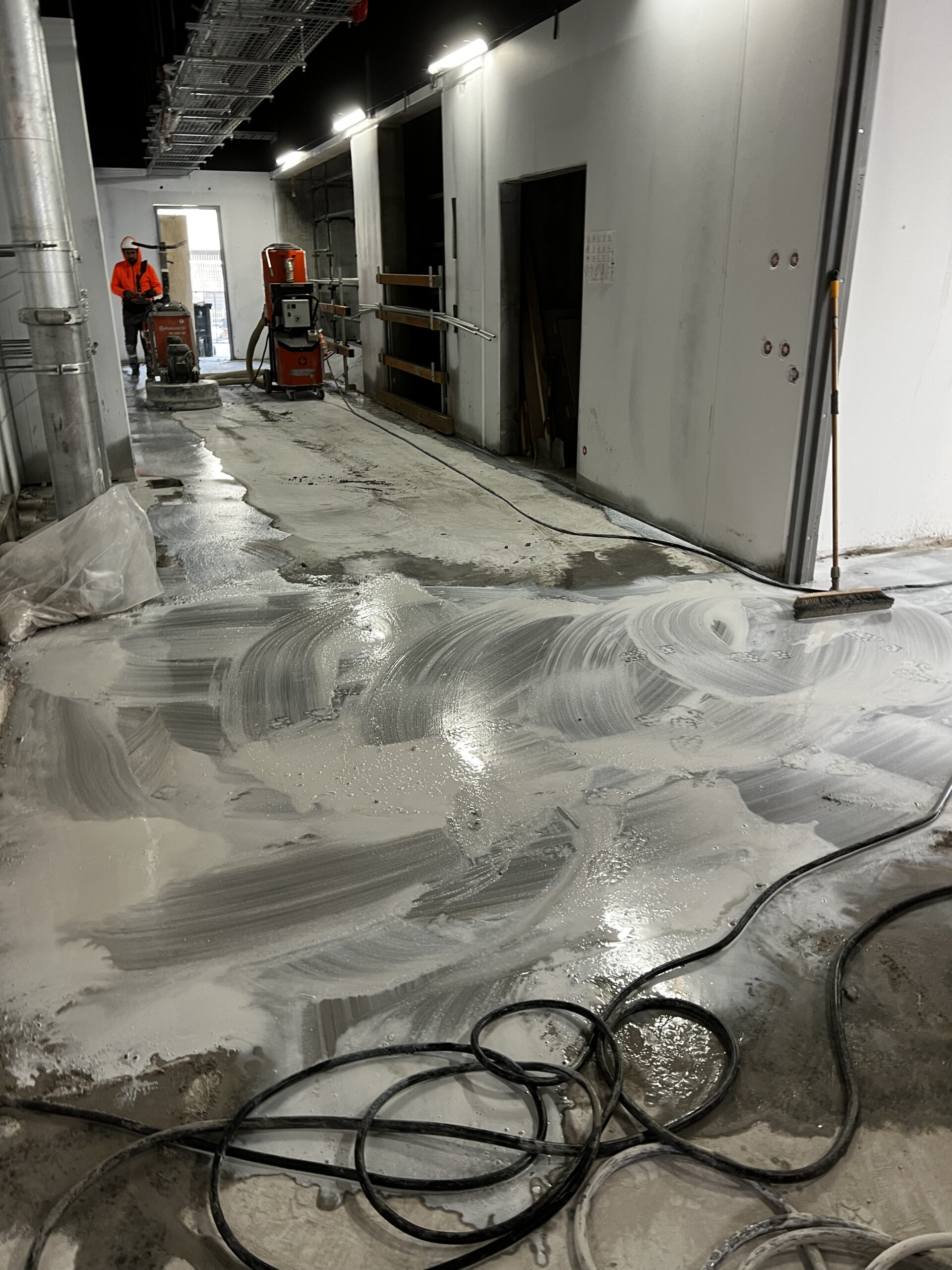
At its core, concrete grinding involves the use of specialized equipment fitted with abrasive diamond tools to smooth or polish a concrete surface. The process removes imperfections such as rough patches, old coatings, stains, and minor cracks. Depending on the desired finish, grinding can range from a coarse removal process to a fine polishing technique that produces a glossy, mirror-like surface.
One of the primary benefits of concrete grinding is surface leveling. Over time, concrete floors can develop uneven areas due to settling, heavy loads, or improper installation. These irregularities can pose safety hazards, especially in high-traffic areas. Grinding effectively eliminates these inconsistencies, creating a smooth and even surface that reduces the risk of trips and falls.
In addition to improving safety, concrete grinding significantly enhances the durability of the surface. By removing weak or damaged layers, the process exposes a stronger underlying layer of concrete. This not only increases the floor’s lifespan but also makes it more resistant to wear and tear. As a result, ground concrete surfaces require less frequent maintenance and repairs, making them a cost-effective choice in the long run.
Aesthetic improvement is another major advantage of concrete grinding. Modern grinding techniques allow for a range of finishes, from matte to high-gloss polish. This versatility makes it a popular option for decorative flooring in homes, offices, retail spaces, and showrooms. The polished look can mimic more expensive materials like marble or granite, providing an elegant appearance at a fraction of the cost.
Concrete grinding is also an environmentally friendly option. Instead of removing and replacing old concrete, which generates significant waste, grinding repurposes the existing surface. This reduces the need for new materials and minimizes the environmental impact associated with construction. Additionally, polished concrete floors can concrete Coating improve indoor air quality, as they do not harbor dust, allergens, or mold like some other flooring materials.
The process typically involves several steps. Initially, the surface is cleaned to remove dirt, grease, or debris. Then, coarse grinding is performed to eliminate major imperfections. This is followed by progressively finer grinding stages to achieve the desired level of smoothness. In some cases, a densifier is applied to harden the concrete and improve its resistance to moisture and stains. Finally, a polishing step may be carried out to enhance the shine and overall appearance.
Despite its many benefits, concrete grinding requires skill and proper equipment to achieve optimal results. Hiring experienced professionals ensures that the job is done efficiently and safely. Incorrect grinding techniques can damage the surface or create uneven finishes, leading to additional costs and repairs.
In conclusion, concrete grinding is a versatile and effective solution for improving concrete surfaces. It enhances safety, durability, and aesthetics while offering an eco-friendly alternative to replacement. As construction practices continue to evolve, concrete grinding remains an essential technique for maintaining and upgrading concrete structures in a sustainable and cost-efficient manner.


Comments
Post a Comment