Glue Removal: Effective Methods for a Clean and Residue-Free Surface
Glue is incredibly useful for bonding materials, but removing it can be a frustrating task once it has dried or hardened. Whether you’re dealing with leftover adhesive from stickers, labels, tiles, or spilled craft glue, proper glue removal techniques are essential to restore surfaces without causing damage. With the right approach, tools, and a bit of patience, even stubborn adhesive can be eliminated effectively.
The first step in glue removal is identifying the type of adhesive and the surface it’s stuck to. Common types of glue include white craft glue, super glue, epoxy, and construction adhesive. Each behaves differently and may require a specific method for removal. Similarly, surfaces like glass, wood, plastic, and metal react differently to solvents and scraping, so understanding the material is crucial before starting.
One of the simplest methods for removing glue is using warm, soapy water. This works particularly well for water-based adhesives like school glue or sticker residue. Soak a cloth in warm water mixed with mild detergent and apply it to the affected area. Let it sit for a few minutes to soften the glue, then gently rub or scrape it away using a plastic scraper or cloth. This method is safe and effective for many delicate surfaces.
For stronger adhesives, household items like vinegar or cooking oil can be surprisingly effective. Vinegar helps break down adhesive bonds, while oil loosens sticky residues, making them easier to wipe away. Apply a small amount to the glue, allow it to sit for several minutes, and then gently scrub the area. These natural solutions are especially useful for surfaces that may be damaged by harsh chemicals.
When dealing with tougher glues like super glue or epoxy, stronger solvents may be necessary. Acetone, commonly found in nail polish remover, is highly effective in breaking down these adhesives. Apply it carefully using a cotton ball or cloth, and avoid excessive use to prevent damage to the surface. Always test a small, hidden area first to ensure compatibility.
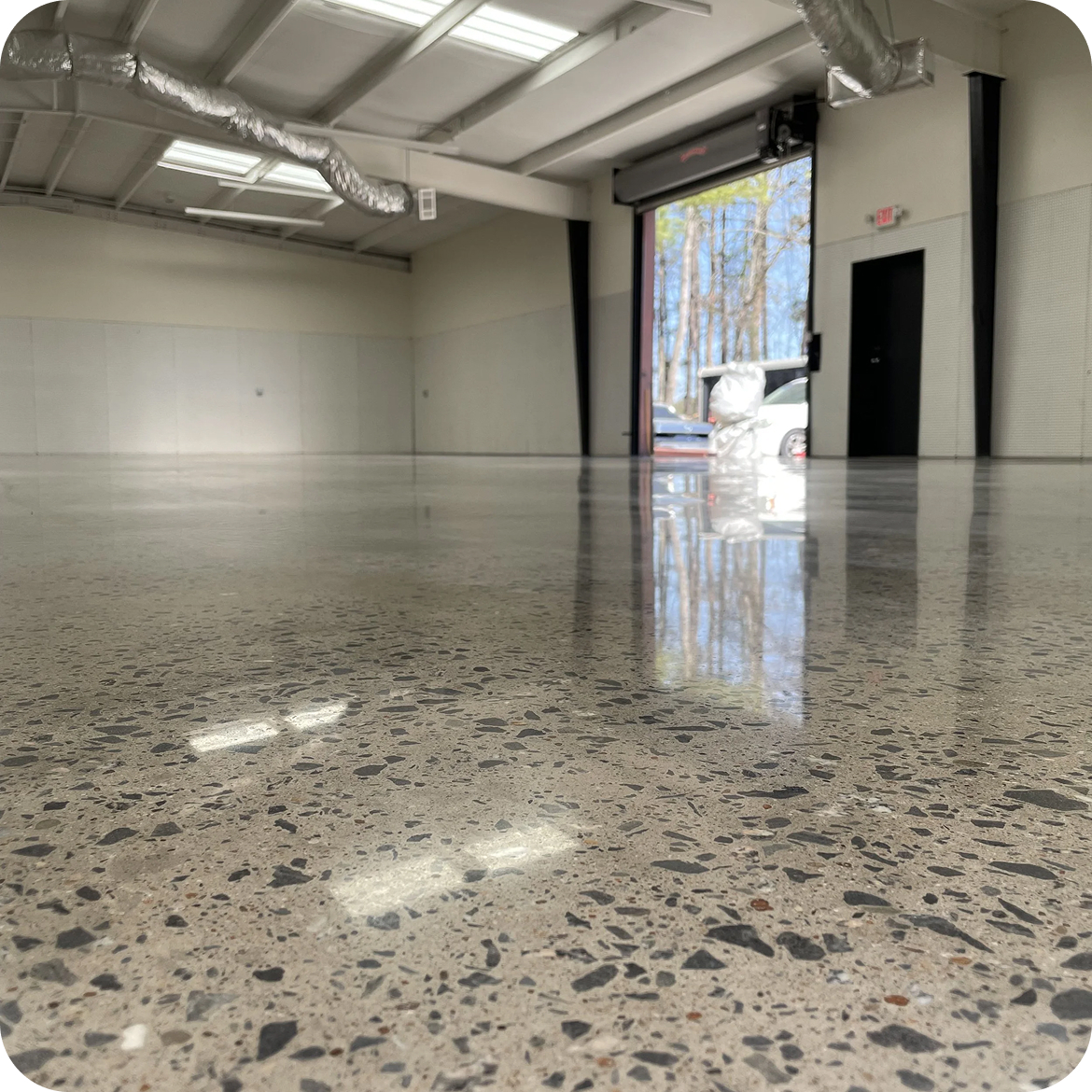
Mechanical removal is another common technique. Using tools such as a scraper, putty knife, or even a razor blade can help lift hardened glue from surfaces. However, this method requires caution to avoid scratching or gouging the material underneath. For commercial concrete Flooring delicate surfaces, using a plastic scraper is recommended instead of metal tools.
Heat can also assist in glue removal. A hairdryer or heat gun can soften adhesive, making it easier to peel or scrape off. Hold the heat source a few inches away from the glue and move it continuously to prevent overheating. Once the glue softens, it can often be removed with minimal effort. This method is particularly useful for removing labels or decals.
Commercial adhesive removers are widely available and designed specifically for this purpose. These products are formulated to dissolve tough glues quickly and efficiently. While effective, they often contain strong chemicals, so proper ventilation and protective gloves are important during use.
After removing the glue, cleaning the surface thoroughly is essential. Residual solvent or adhesive traces can attract dirt or interfere with future applications. Use a clean cloth and mild cleaner to wipe the area, leaving it smooth and ready for reuse.
In conclusion, glue removal doesn’t have to be a difficult or damaging process. By identifying the type of adhesive and choosing the right method—whether it’s warm water, natural solutions, solvents, or mechanical tools—you can effectively restore surfaces to their original condition. Taking a careful and patient approach ensures the best results while preserving the integrity of the material.


Comments
Post a Comment